
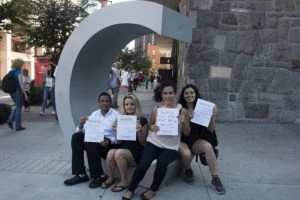
We won the Big Hairy Idea competition from the Concordia Council on Student Life where we received a two-year grant of $35k. Our co-applicants were the Loyola Sustainable Research Center, Concordia’s Environmental Health and Safety Department, and the Concordia Student Union.
Read: Concordia Announcement & Student Newspaper
Read: Concordia Announcement & Student Newspaper
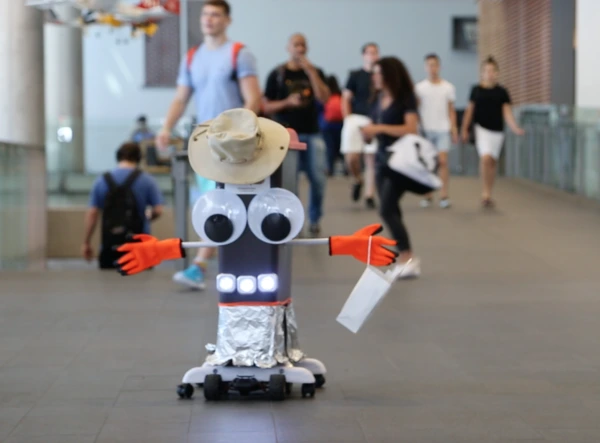 We hosted a five-day food festival on both Concordia campuses which were attended by 1,500 people per day.
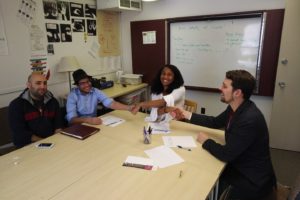
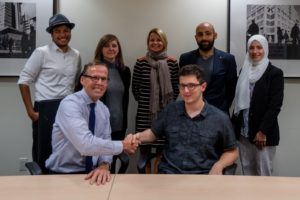
We signed a three-year contract with the Concordia Student Union and Sustainable Concordia.
Per that contract, the CSU provided $7.5K/year for three years, and Sustainable Concordia acted as our fiduciary.
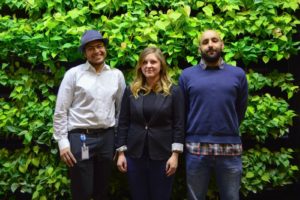
The “Waste Not, Want Not” team won the Concordia Sustainability Champion Award.<
Read: Concordia Announcement
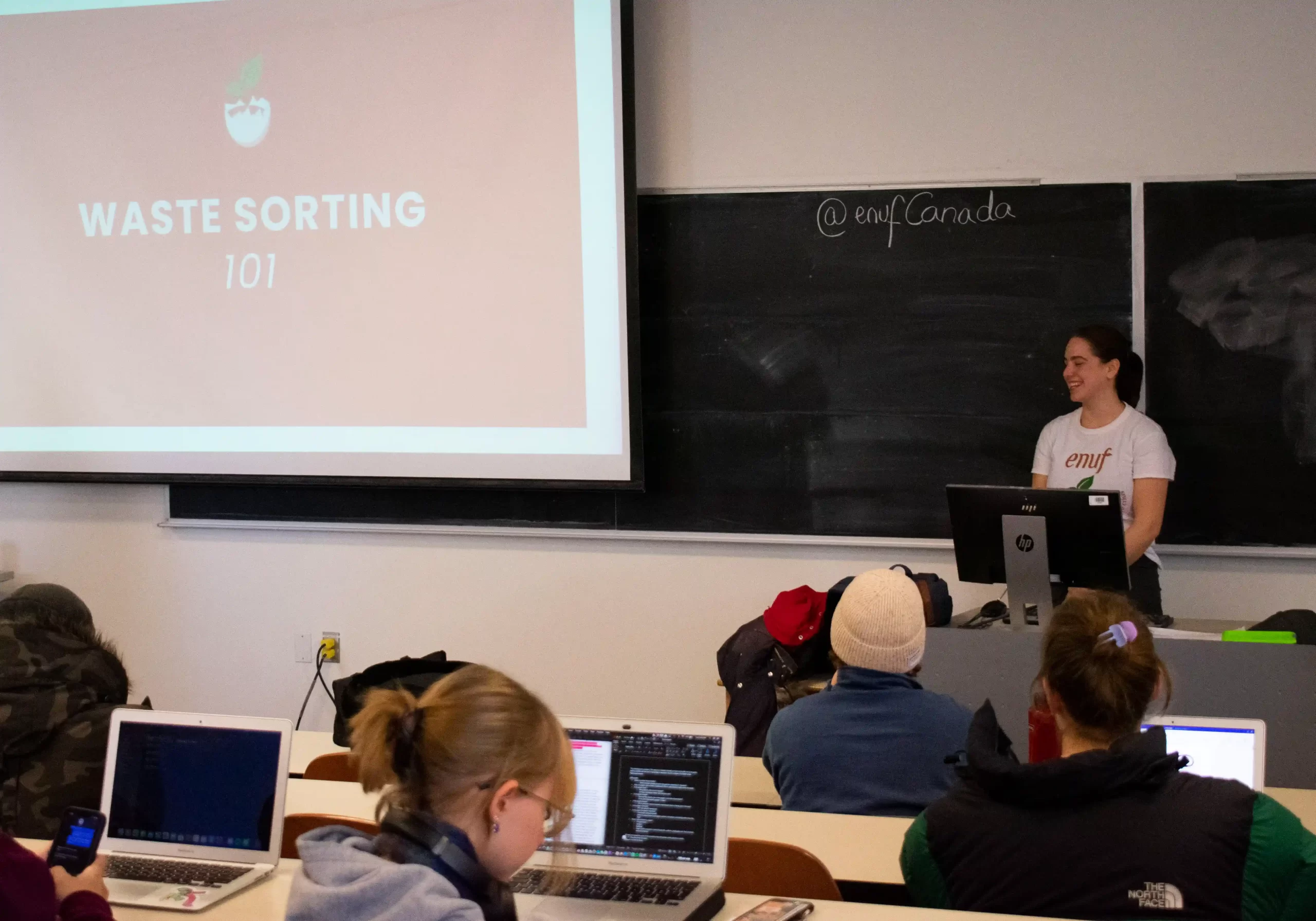
Concordia University agreed to provide $15K for one year to pay #CUcompost Waste Ambassadors to go to on-campus events and help participants learn how to sort their waste. Over 35,000 people attended events where our Waste Ambassadors were present in the 2019-20 academic year- that is the equivalent of the entire undergraduate student population at Concordia.
We incorporated enuf to replicate the work we are doing at Concordia University in other places and scale our impact.
We signed a 2 year contract with the Concordia Student Union to provide our education services to the Concordia student community.
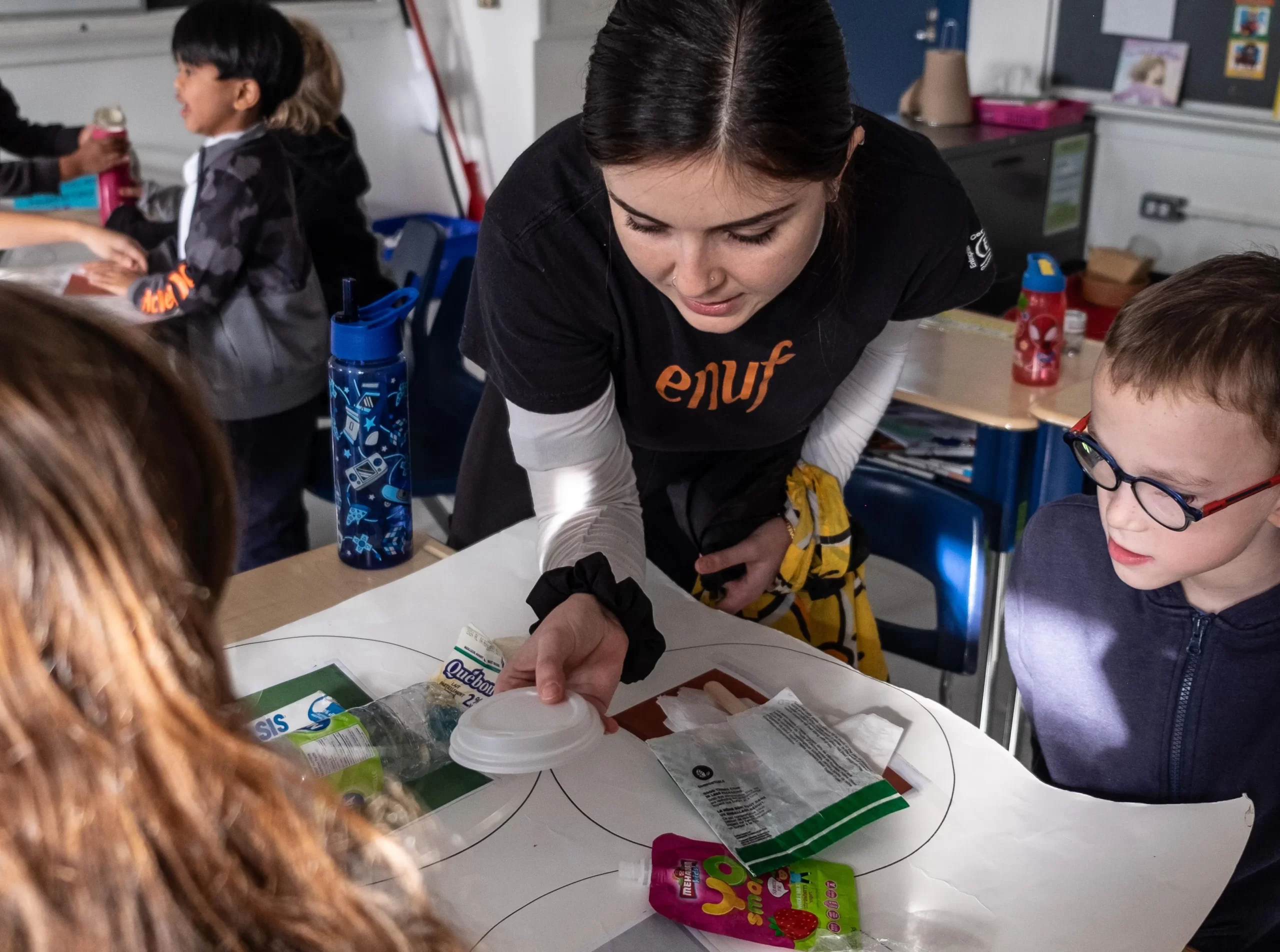
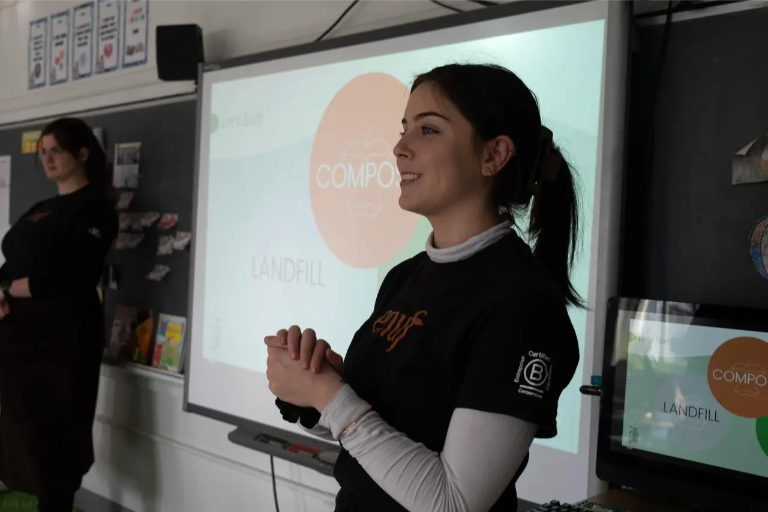
We are conducting a pilot project with the English Montreal School Board to help some of their schools integrate organic waste collection from the city of Montreal. We are running an education campaign to help the communities of these schools learn how to use the new compost bins. This pilot project is funded by the SHIFT Center for Social Transformation.
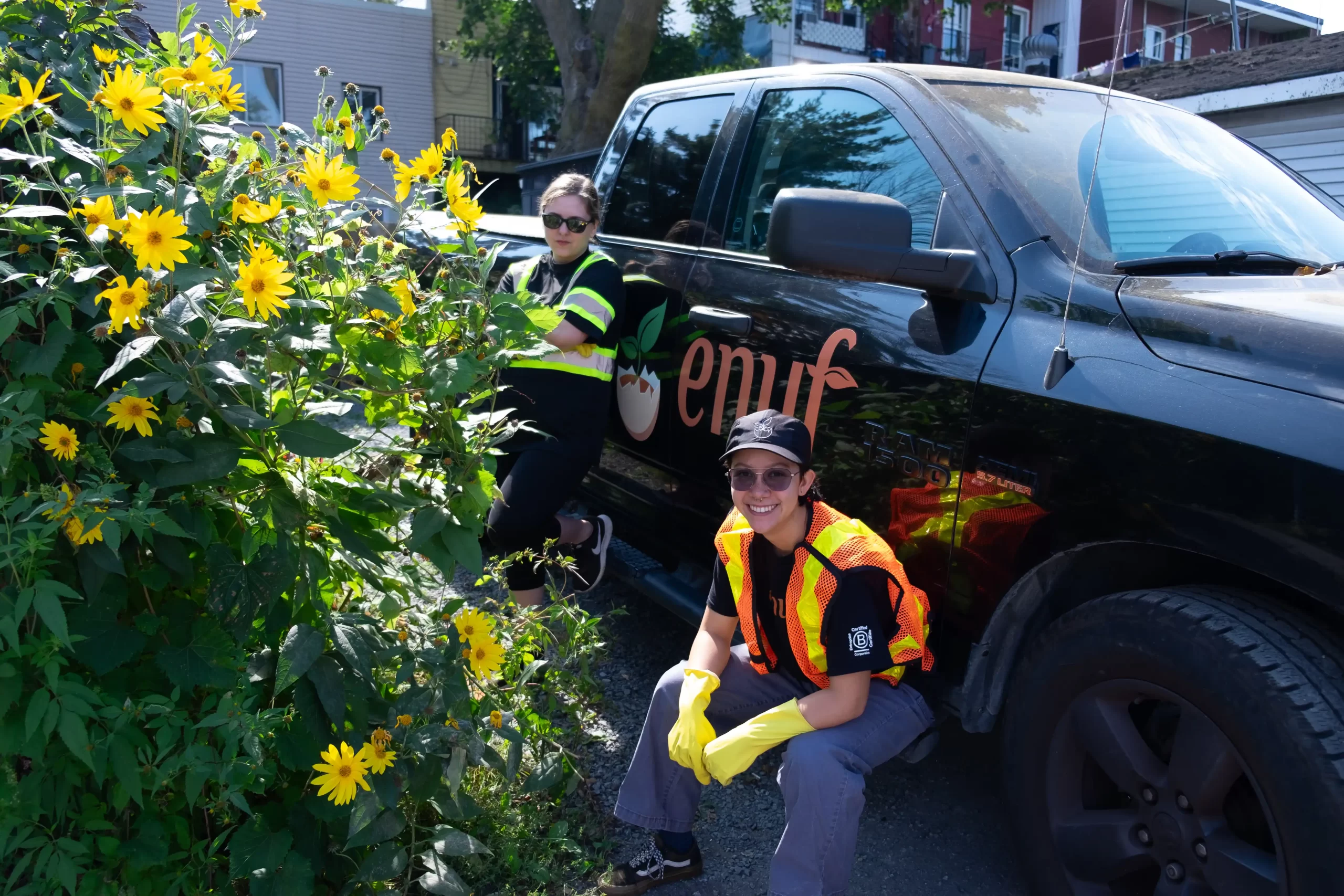
Compelled by the significant impact we have witnessed during our work with the Concordia Community, we have decided to launch a social enterprise to scale that impact. We have a new name, and the same mission: to do whatever it takes to fix the waste crisis.
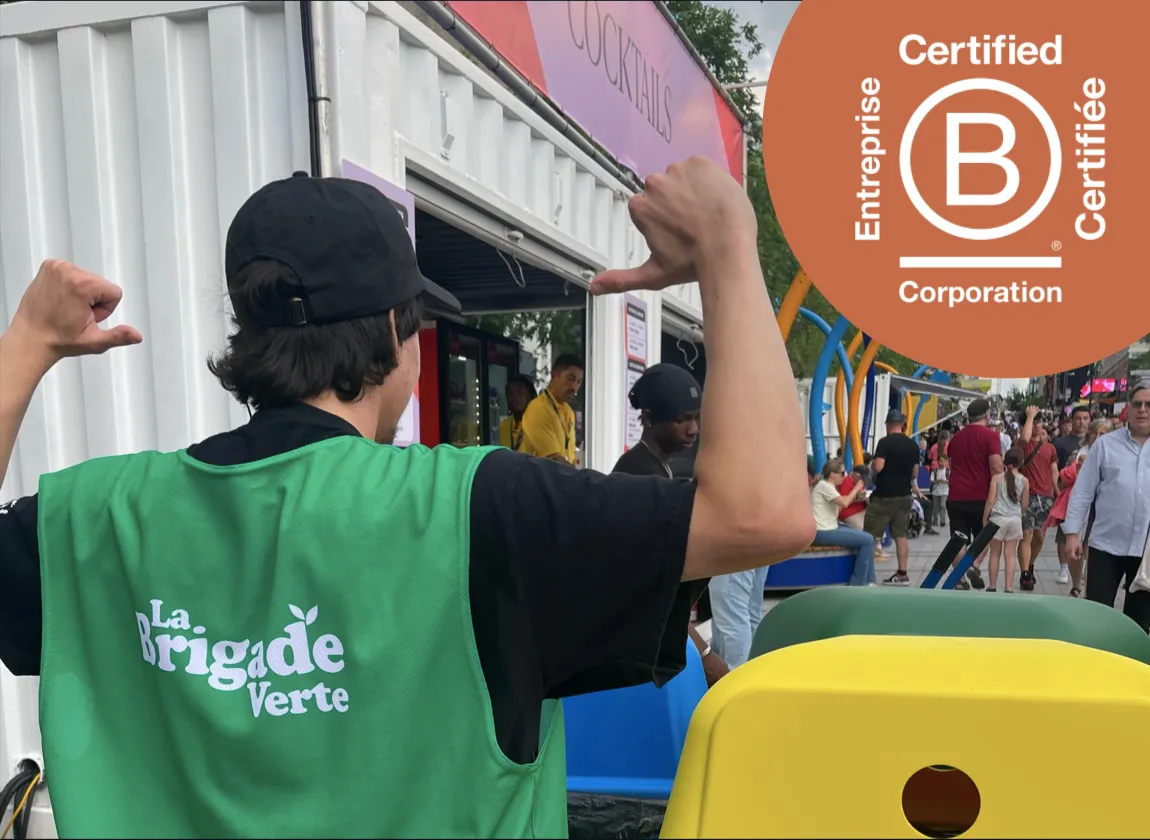
We invested in pursuing the B-Corp certification to ensure that we are anchoring our organization in sustainability best practices from the get-go, and to also identify new practices we can integrate. Over 50,000 businesses worldwide started the B-Corp impact assessment survey, but only 3,000 got certified.
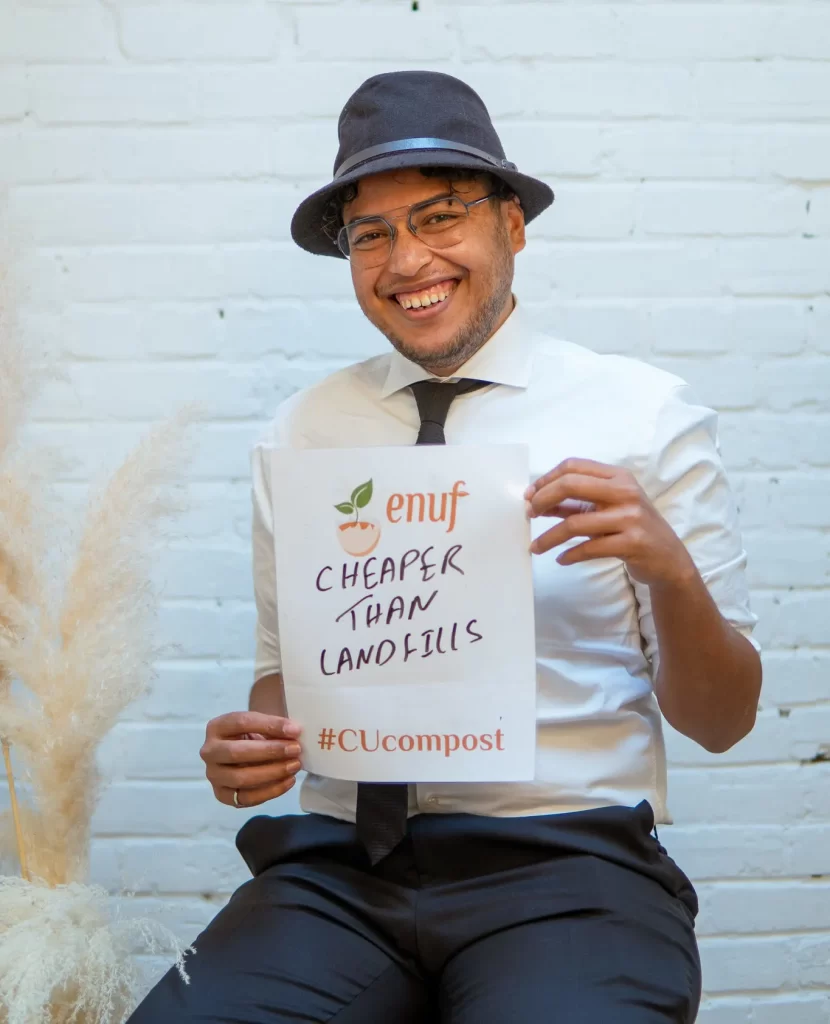
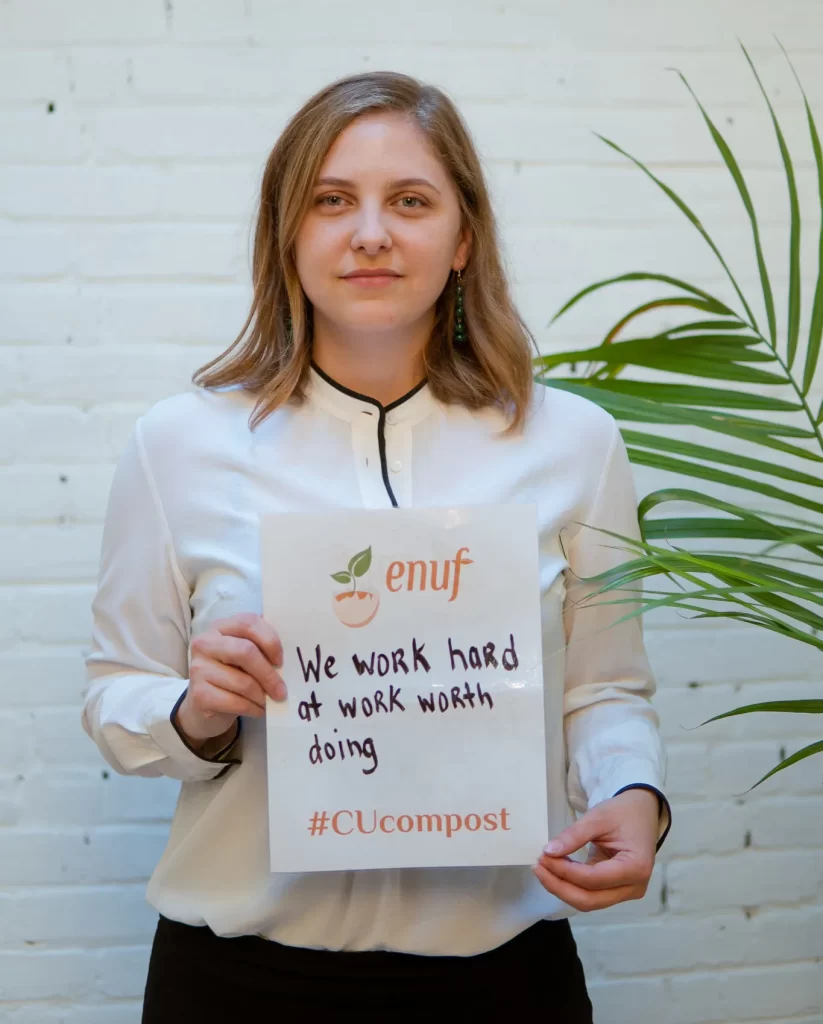
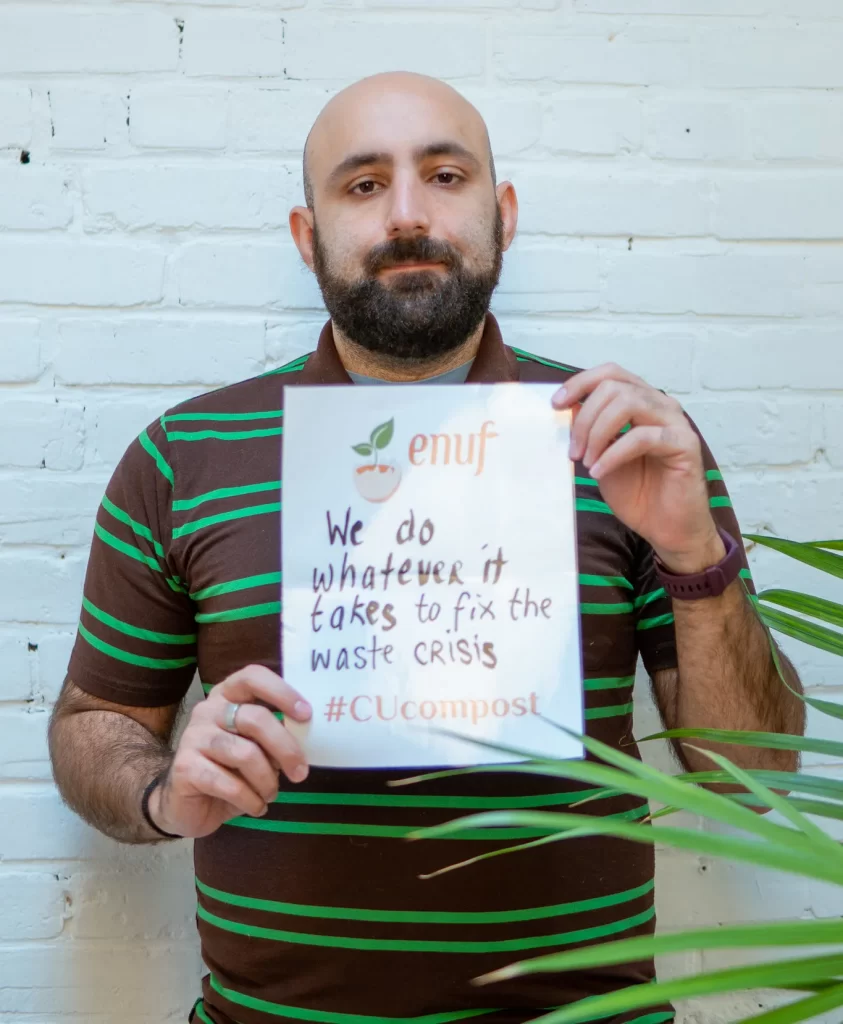
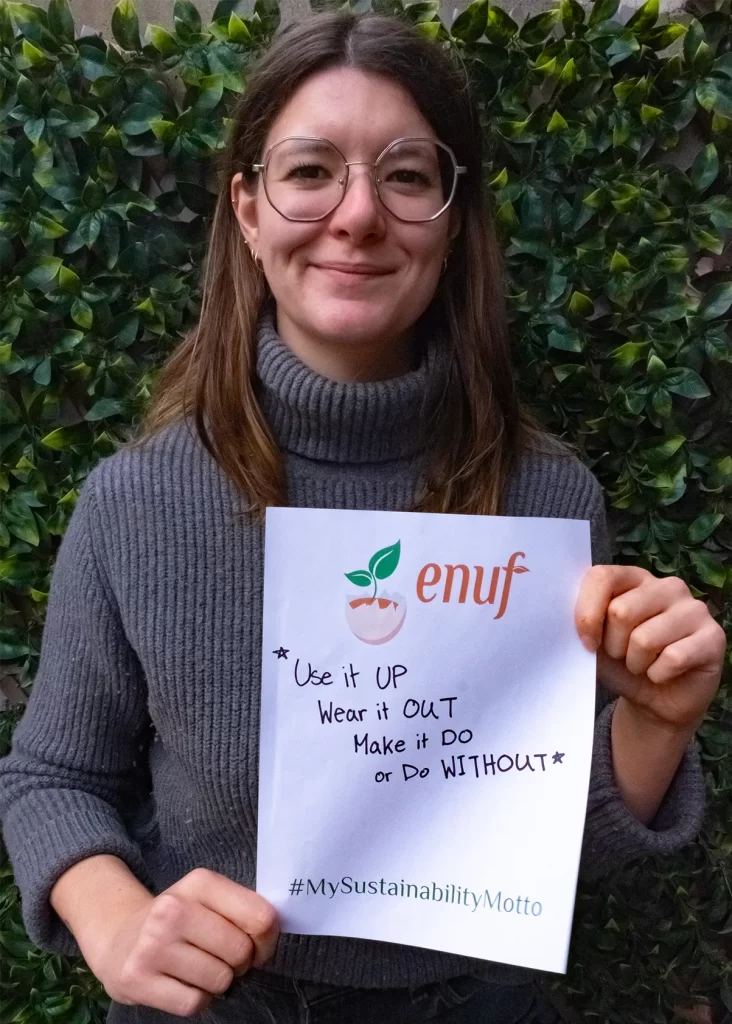
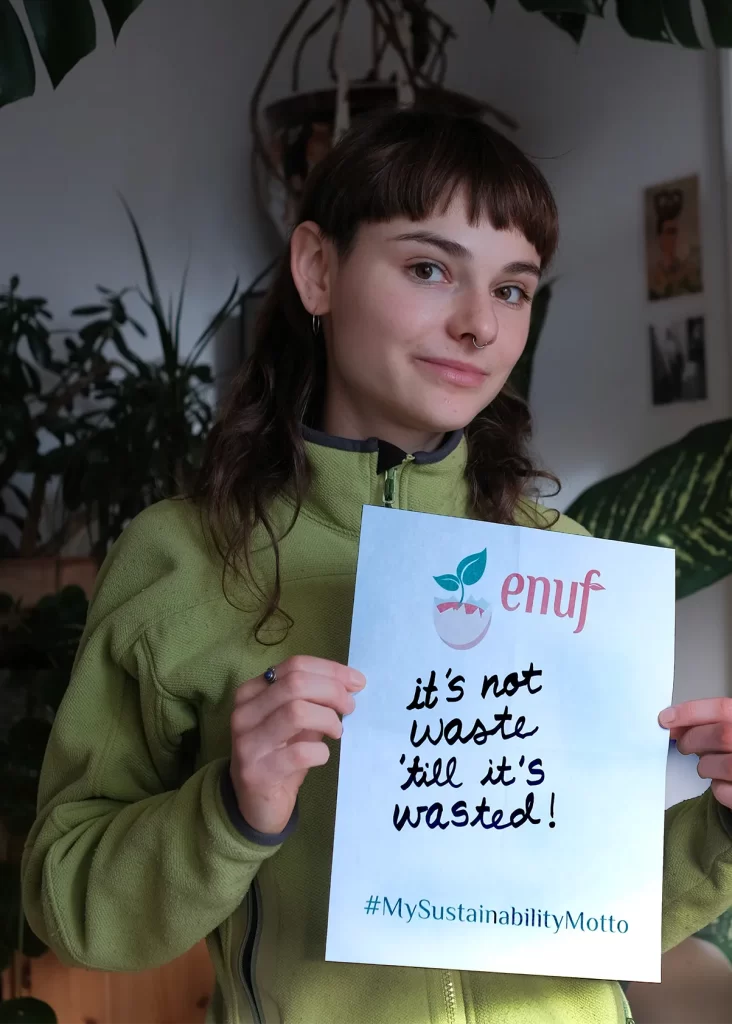
 Having grown up half-Dominican and half-Canadian, I spent a lot of time in Dominican Republic during my formative years. This allowed me to develop a strong connection with my country’s vast landscapes and subsequently an immense drive to preserve them. This has directly translated to my chosen domain of study at Concordia, as I wrap up my undergraduate degree in Human Environment and Sustainability studies. During which I have acquired knowledge on environmental justice and initiative , ultimately leading me to this amazing opportunity with the enuf team. I am eager to work with the team to make a tangible difference, as well as learn valuable skills that I may one day bring back to Dominican Republic as they strive towards environmental, social and economic sustainability.
 I was born and raised in a beautiful touristic town in the Western Himalayas of India. I have witnessed from the last two decades, how the excessive use of plastic has drastically changed the climate of the town. This has been the primary reason that has motivated me to join “Waste Not, Want Not” Concordia. I aim at spreading awareness about the importance of segregation of the waste, especially composting and how waste management could be a small step from our side to make this world a better place to live.
 Waste reduction is a key solution for the regeneration of our ecosystems. The Earth cannot sustain the rate at which we are producing and therefore wasting. Landscapes are being destroyed from the lack of proper waste treatment systems, therefore entire habitats disappear. I believe understanding our waste and reducing is key for the survival of our generations and the nexts.
I worked at enuf creating visuals and taking photos to communicate enuf’s important mission and greater purpose. I had a very pleasant, insightful experience. The team felt welcoming, my work enriching and the greater mission in alignment with my core values. I found balance and harmony in workflow, communication with the team and co-creation. I would highly recommend the experience, to anyone seeking to better understand our invisible structures at play, in a welcoming environment, creating impact that matters.
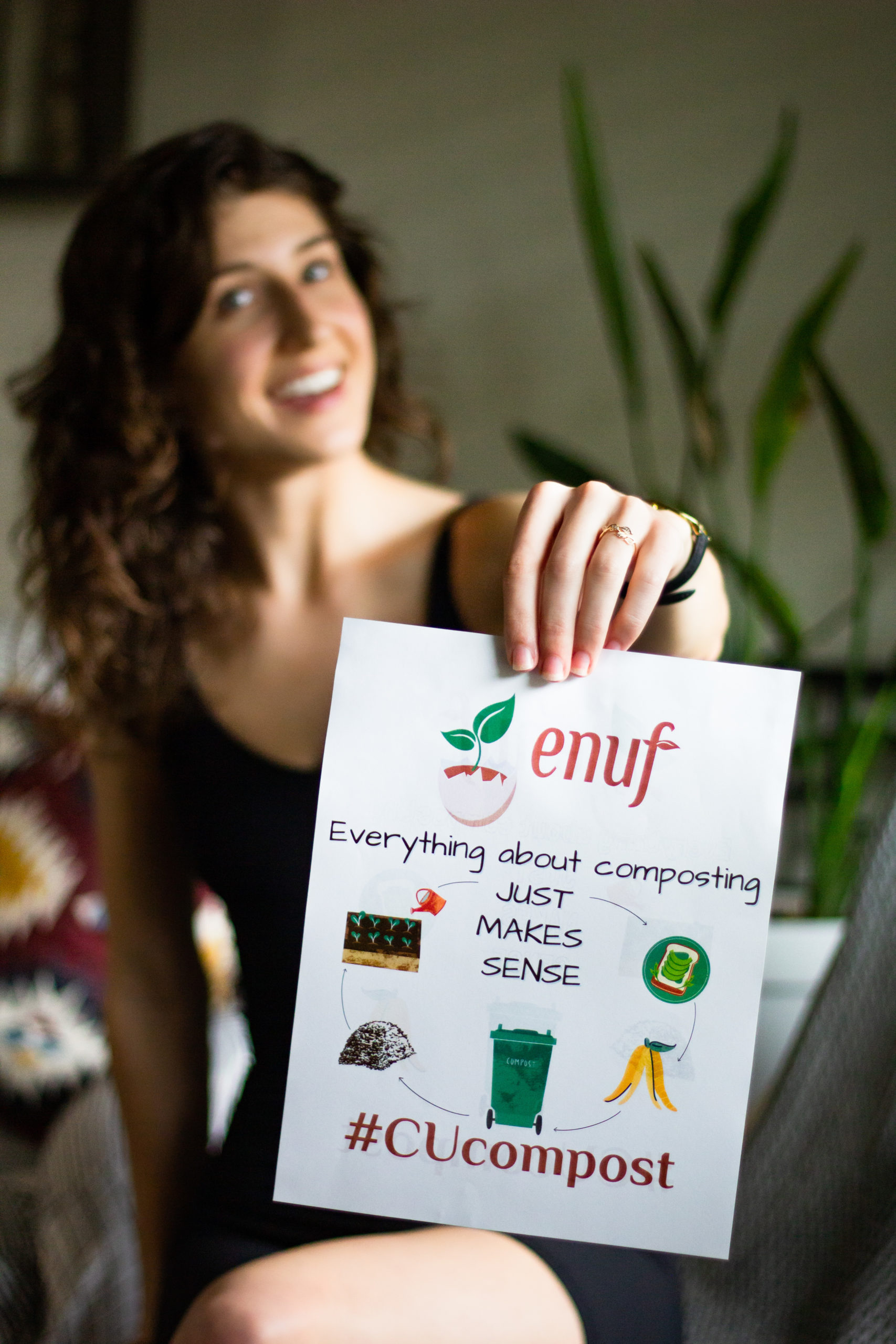 I am committed to living a low-impact lifestyle for two reasons:
1. Every which way you square it, living life through sustainable principles just makes sense.
2. I carry a deeply rooted value of contributing to the Earth’s rehabilitation for the well-being of all current and future living beings. Both logically and emotionally, low-impact living is the strategy best suited to actualizing my life goals. Living a low-impact life has brought me incredible joy, but it’s been an emotional ride. I grew up in a frugal and creative home and learned many valuable lessons on minimizing consumption and appreciating the things one already has. It wasn’t until I went to university, got an apartment, and began living independently that a key challenge arose; waste management. I noticed the torrential heaps of garbage spilling out of trash cans and the piles of IKEA furniture and freebie trinkets that first-years tossed after 1-year in Rez. I audited my own garbage/recycling/compost cans and faced the fact that I could do better. Waste Not, Want Not was there to catch me. Working with WNWN has not only cultivated my confidence in proper waste management techniques but has given me the opportunity to positively affect local waste systems! And in the process, I have gained much hope for the future.
2. I carry a deeply rooted value of contributing to the Earth’s rehabilitation for the well-being of all current and future living beings. Both logically and emotionally, low-impact living is the strategy best suited to actualizing my life goals. Living a low-impact life has brought me incredible joy, but it’s been an emotional ride. I grew up in a frugal and creative home and learned many valuable lessons on minimizing consumption and appreciating the things one already has. It wasn’t until I went to university, got an apartment, and began living independently that a key challenge arose; waste management. I noticed the torrential heaps of garbage spilling out of trash cans and the piles of IKEA furniture and freebie trinkets that first-years tossed after 1-year in Rez. I audited my own garbage/recycling/compost cans and faced the fact that I could do better. Waste Not, Want Not was there to catch me. Working with WNWN has not only cultivated my confidence in proper waste management techniques but has given me the opportunity to positively affect local waste systems! And in the process, I have gained much hope for the future.
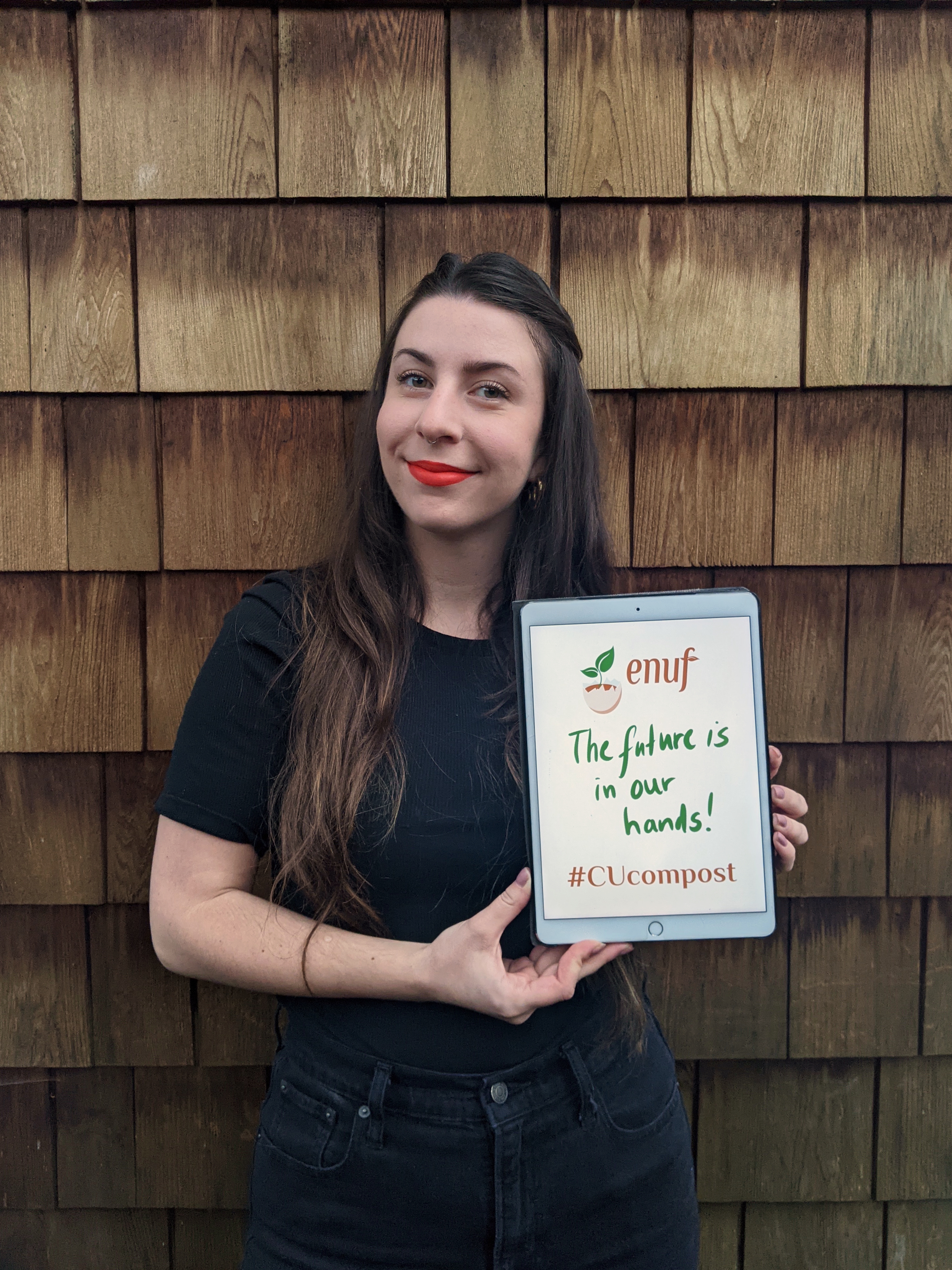 Out of all the environmental problems we’re facing, reducing waste has always been the one that really inspires me. While some problems that feel too large to comprehend and confront on a personal level, waste is something we all contribute to and one we can make a big difference in tackling with just small changes to our lifestyle. During the time I had the pleasure of working at enuf, I saw how impactful it is when people come together to make these small changes and advocate for a better future. I’m so proud to have been involved in this organization and can’t wait to see what great things come next.
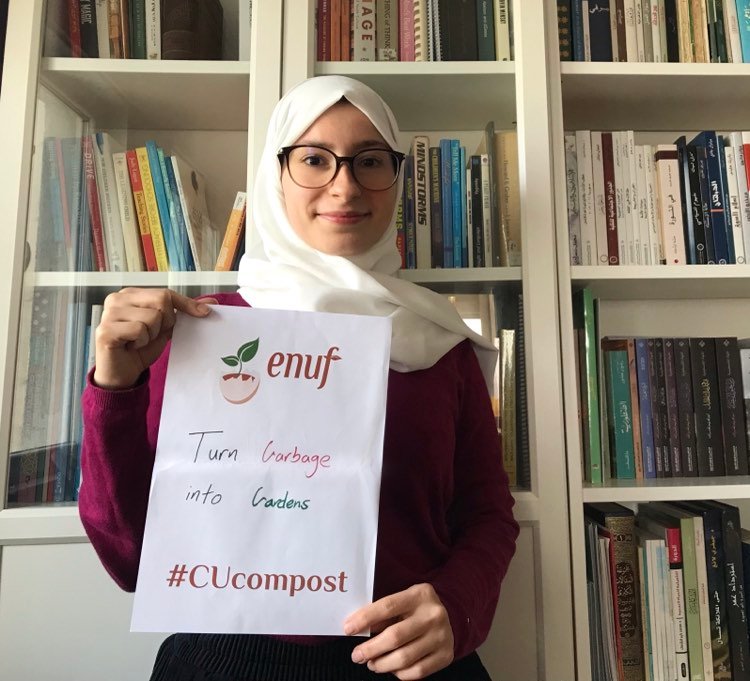 As an urban planning student. I got to learn every day about the environment and its relation to the city. Day after day and class after class I started getting frustrated and saddened about the environmental crisis we are witnessing. However, thinking that I was powerless made me feel worse. When I knew about this initiative I wanted to join to do something good but i wasn’t expecting much. However, noticing how students are learning more about sustainability and how it affected their behaviour proved to me that we are not powerless. WNWN taught me we can make the world a better place when we take actions no matter how small they are.
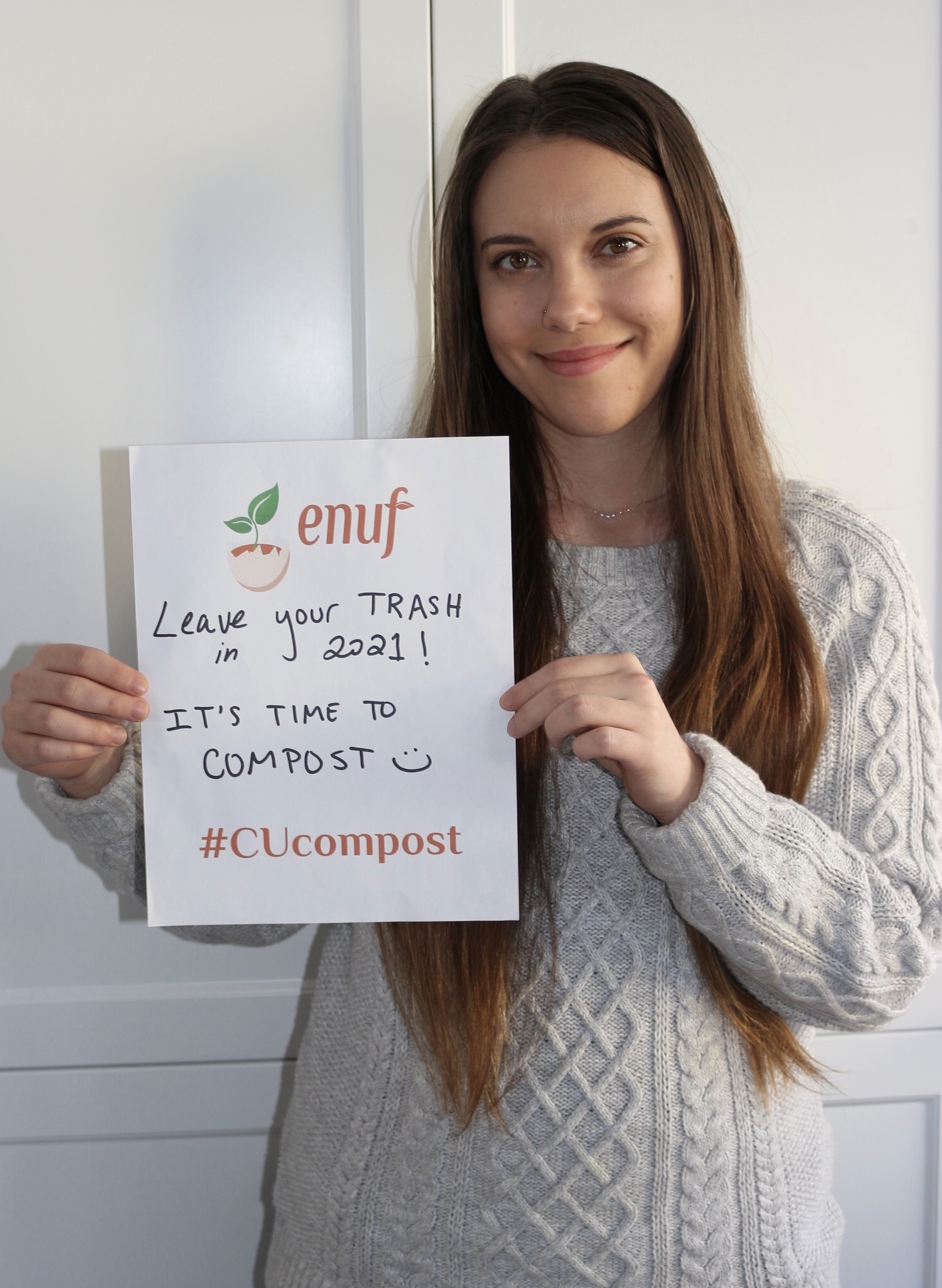 I was born in, and spent a big part of my childhood in southern Spain – a place I love dearly. Like most of the world, this region has been experiencing extreme weather events with increasing frequency and strength as a direct effect of climate change. Living through devastating droughts and heat waves in a place that already registers some of the highest temperatures in Europe has helped me understand what is at stake when fighting the climate crisis. As such, I want to work on solutions to this crisis and am honored to get a chance to do this at enuf. With my background in communications, I look forward to using these skills to reach new clients and share with them the many benefits of using enuf’s services.
 Born and raised in Vietnam, I witnessed sustainability being embedded in daily habits but not prominent in conversations. Saving up takeaway containers. Never throw away shampoo containers if we can make it a cute plant propagating pot. Using pomelo peels as a main ingredient for Vietnamese traditional desserts “Che Buoi”. In fact, not until recently did I realize that my interest in arts was fueled from the excitement of crafting and upcycling projects since I was a kid. Unfortunately, current popular sustainable conversations do not count marginalized community practices. Sometimes they make sustainability seem distant, somewhat glamorous and inaccessible. Hence, I aspire to study, retrieve and renew my ancestral practices of sustainability and participate in creating an inclusive and sustainable community.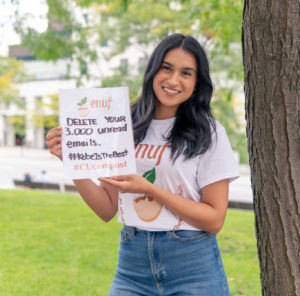
Back home in India, my dad was a farmer. Growing up, my dad taught me how to be self-sufficient and grow my own vegetables. Every year, we would work on maintaining the soil in our backyard together. Through him, I’ve learned the importance of sustainability and agriculture. On the other hand, my mom always stressed the importance of reusing and recycling materials. I was fortunate enough to grow up in a household where sustainability was a core value. Joining enuf allows me to share my passion with our community.
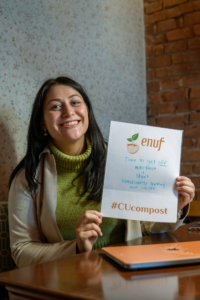 Annie is a third-year Human Relations and Sustainability undergraduate student, with a love for plants and composting.Prior to joining Concordia University, Annie initiated and implemented the on-campus composting pilot at Dawson College that has grown to become a widely-practiced habit at the Cegep where every waste station now includes a compost bin! With an eagerness to lead, a passion for program development and communication, Annie is helping people get off auto-pilot when it comes to waste sorting.
 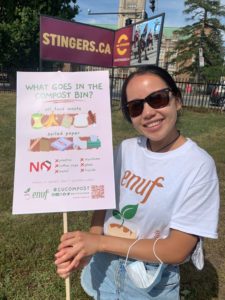 Having studied at the School of Environment at McGill, I always knew I wanted to get involved in initiatives that were not only promoting sustainability but also finding ways to make sustainability more available and accessible to everyone. It is an honor for me to be part of the enuf team because I truly believe in the power of education for systemic changes especially when it comes to waste management, an environmental issue for which I deeply care. Learning about the waste crisis is not always easy because it often feels overwhelming, but what I came to realize is that fixing this issue means so much more than we think. It’s not just about reducing the amount of waste, it’s about reflecting on the impact of our current throwaway culture/mentality but also an opportunity to redefine our culture and how we can take better care of each other, human and non-human species, across time.
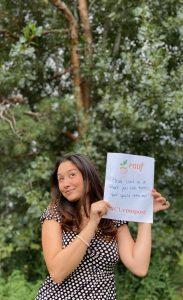 The waste reduction movement is of utmost importance to me because the earth is what we all have in common. Growing up in a disproportionately vulnerable place like the Philippines showed me that it is in our best interest that we strive to protect the soil under our feet, the air we breathe and all the beings that we share this beautiful planet with.
 I lived most of my life in Lebanon, where recycling wasn’t a thing. I was in scouts for several years, where we did small things to try and create a more sustainable and greener environment, by cleaning beach chores and trying to recycle between our group, because we believed that the change starts with you. Therefore, I wasn’t exposed to the full idea of sustainability, until I came to Montreal in 2019. I started hearing about the benefits and
advantages that come from it and seeing the public doing so. After that, all my actions started to be based on sustainability, I learned to recycle, compost and going to different initiatives, such as cleaning beach chores, parks and so on. I believe that if we work together, we can make this planet a better place, not just for us, but for the coming generations!
I lived most of my life in Lebanon, where recycling wasn’t a thing. I was in scouts for several years, where we did small things to try and create a more sustainable and greener environment, by cleaning beach chores and trying to recycle between our group, because we believed that the change starts with you. Therefore, I wasn’t exposed to the full idea of sustainability, until I came to Montreal in 2019. I started hearing about the benefits and
advantages that come from it and seeing the public doing so. After that, all my actions started to be based on sustainability, I learned to recycle, compost and going to different initiatives, such as cleaning beach chores, parks and so on. I believe that if we work together, we can make this planet a better place, not just for us, but for the coming generations! The practice of burning trash has been the most prominent yet gravely unsustainable form of waste management back in my hometown in Algiers. Even though I was not fully aware of climate change headlines at a young age, I fully remember how burning waste pits were directly affecting the air quality and soil retention of my neighbourhood at the time.
As years went by, I started to question our rate of consumption and noticed the stark difference between the goal of getting rid of waste and the goal of completely preventing the production of waste. I wanted to become a Waste Ambassador for enuf in order to gain a deeper understanding of the importance of composting and how easy and impactful it can be. I am more than happy to make this part of my journey to sustainable living
 My mom lived in Germany before the collapse of the Berlin wall, and they had quite the rigorous recycling and composting regiment for their citizens there. These good habits were instilled into me at the tender age of young. The Canadian attitude towards recycling and composting did relax my sorting, but I will forever be that kid that rips the plastic apart from the cardboard tissue box and makes sure that the compost bin isn’t contaminated.
The waste crisis in Canada became such that I felt I needed to do something to help mitigate it, and luckily enuf was helping in my student community at Concordia University. I am glad to be working alongside thoughtful people and contributing to positive changes in our communities.
My mom lived in Germany before the collapse of the Berlin wall, and they had quite the rigorous recycling and composting regiment for their citizens there. These good habits were instilled into me at the tender age of young. The Canadian attitude towards recycling and composting did relax my sorting, but I will forever be that kid that rips the plastic apart from the cardboard tissue box and makes sure that the compost bin isn’t contaminated.
The waste crisis in Canada became such that I felt I needed to do something to help mitigate it, and luckily enuf was helping in my student community at Concordia University. I am glad to be working alongside thoughtful people and contributing to positive changes in our communities.
 I have always believed that discarding plant waste is a missed opportunity, as it could serve more valuable purposes like producing broth or generating gas. Furthermore, I find it wasteful to purchase herbs and plants that can easily be grown abundantly at home, such as basil, parsley, and others. It is crucial that we shift away from relying heavily on heavily processed supermarket foods that contribute significantly to pollution.
Instead, we should embrace the idea of cultivating and consuming locally grown foods that have a lower environmental impact, reducing the pollution caused by transportation, chemicals, and genetically modified organisms (GMOs).I aspire that now with enuf, I could contribute to bringing awareness to such things and enlighten more people.
I have always believed that discarding plant waste is a missed opportunity, as it could serve more valuable purposes like producing broth or generating gas. Furthermore, I find it wasteful to purchase herbs and plants that can easily be grown abundantly at home, such as basil, parsley, and others. It is crucial that we shift away from relying heavily on heavily processed supermarket foods that contribute significantly to pollution.
Instead, we should embrace the idea of cultivating and consuming locally grown foods that have a lower environmental impact, reducing the pollution caused by transportation, chemicals, and genetically modified organisms (GMOs).I aspire that now with enuf, I could contribute to bringing awareness to such things and enlighten more people.
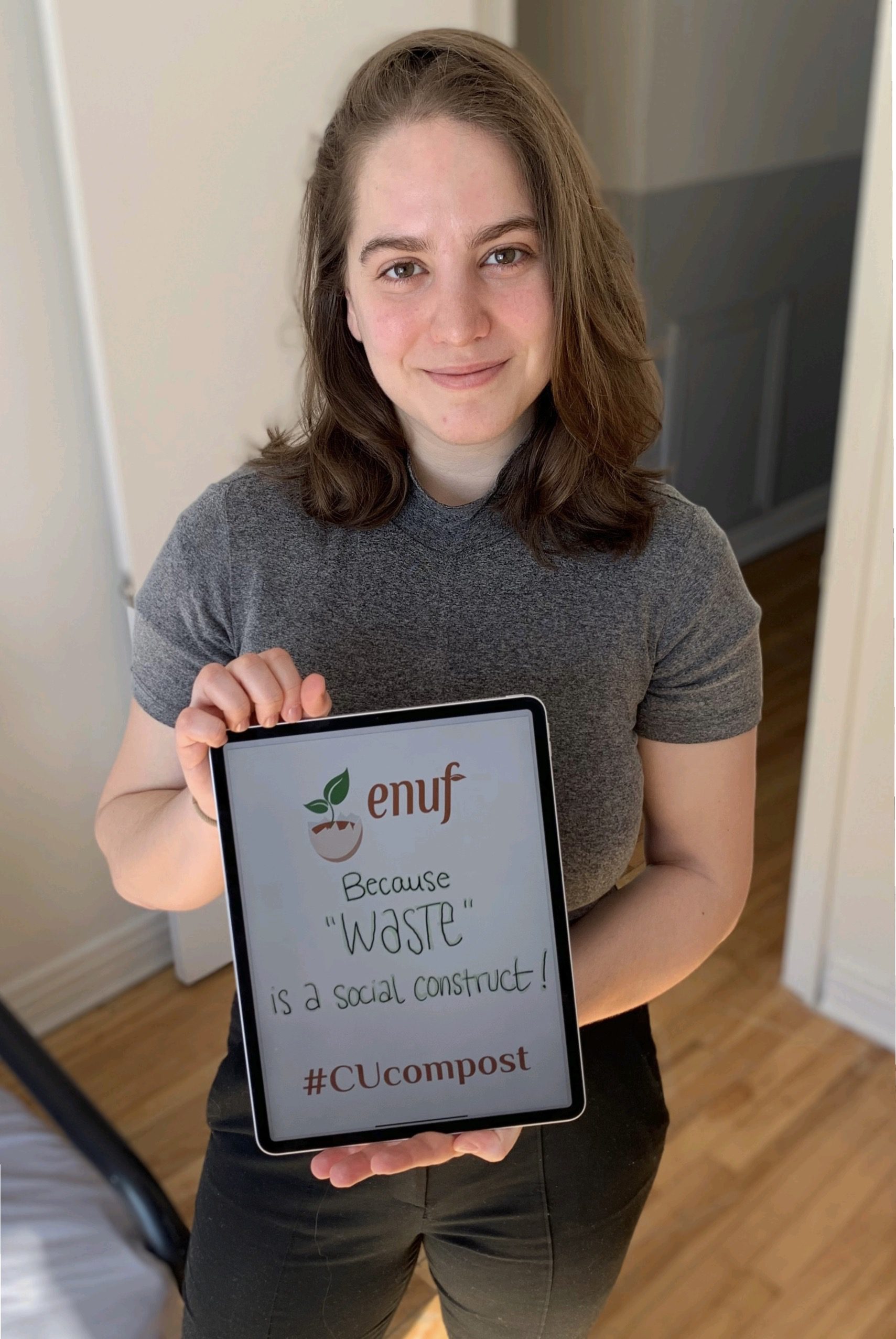 I have always been obsessed with food, and as I grew my interests expanded from the consumption end of things to include production and post-consumption. I have come to believe that food systems are at the core of the global dynamic which has caused extreme inequity and environmental degradation and thus are a big part of the solution equation. Our food systems, which feed and sustain our global community, are based on ideologies that frame anything unproductive as “wasteful”. If we can reconsider how we view food “waste”— not as a loss of profitability, but as an important part of the collective lifecycle we must care for — we can reconstruct our whole ideological framework. My work with WNWN, and now with enuf, is about influencing a mindset change.
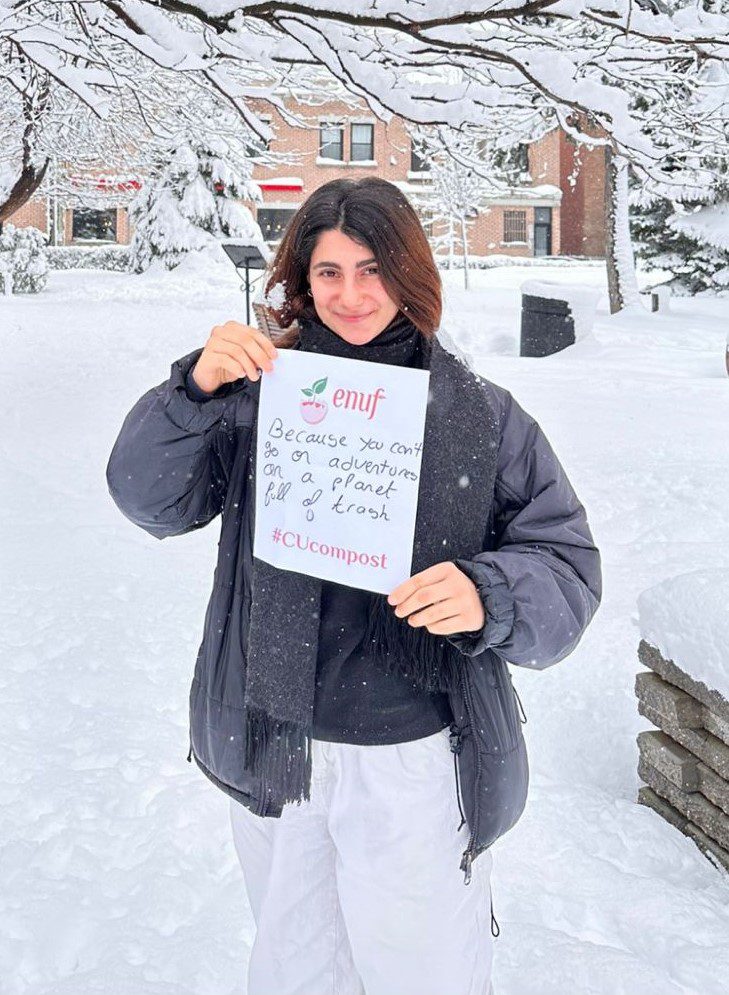 When I was a kid, my family use to visit my father’s village in Türkiye every summer, where my grandparents owned a farm. The earliest memories of my life are linked to soil, planting seeds, growing plants, cooking and composting. My parents transplanted these habits to our home in France, and each year our garden would expand. We had two apple and pear trees, strawberries and cucumbers… We would use every vegetable (even the ugly ones) to cook fresh delicious meals. After preparing the food, we would feed the ground with the scraps.
Sustainability was always the default setting of humanity and we often confuse it for an obnoxious ephemeral trend as companies started incorporating greenwashing practices into their marketing strategy. We have to relearn how to be part of nature, which inevitably implies relearning how to give back to the Earth the food it has gifted us with.
When I was a kid, my family use to visit my father’s village in Türkiye every summer, where my grandparents owned a farm. The earliest memories of my life are linked to soil, planting seeds, growing plants, cooking and composting. My parents transplanted these habits to our home in France, and each year our garden would expand. We had two apple and pear trees, strawberries and cucumbers… We would use every vegetable (even the ugly ones) to cook fresh delicious meals. After preparing the food, we would feed the ground with the scraps.
Sustainability was always the default setting of humanity and we often confuse it for an obnoxious ephemeral trend as companies started incorporating greenwashing practices into their marketing strategy. We have to relearn how to be part of nature, which inevitably implies relearning how to give back to the Earth the food it has gifted us with.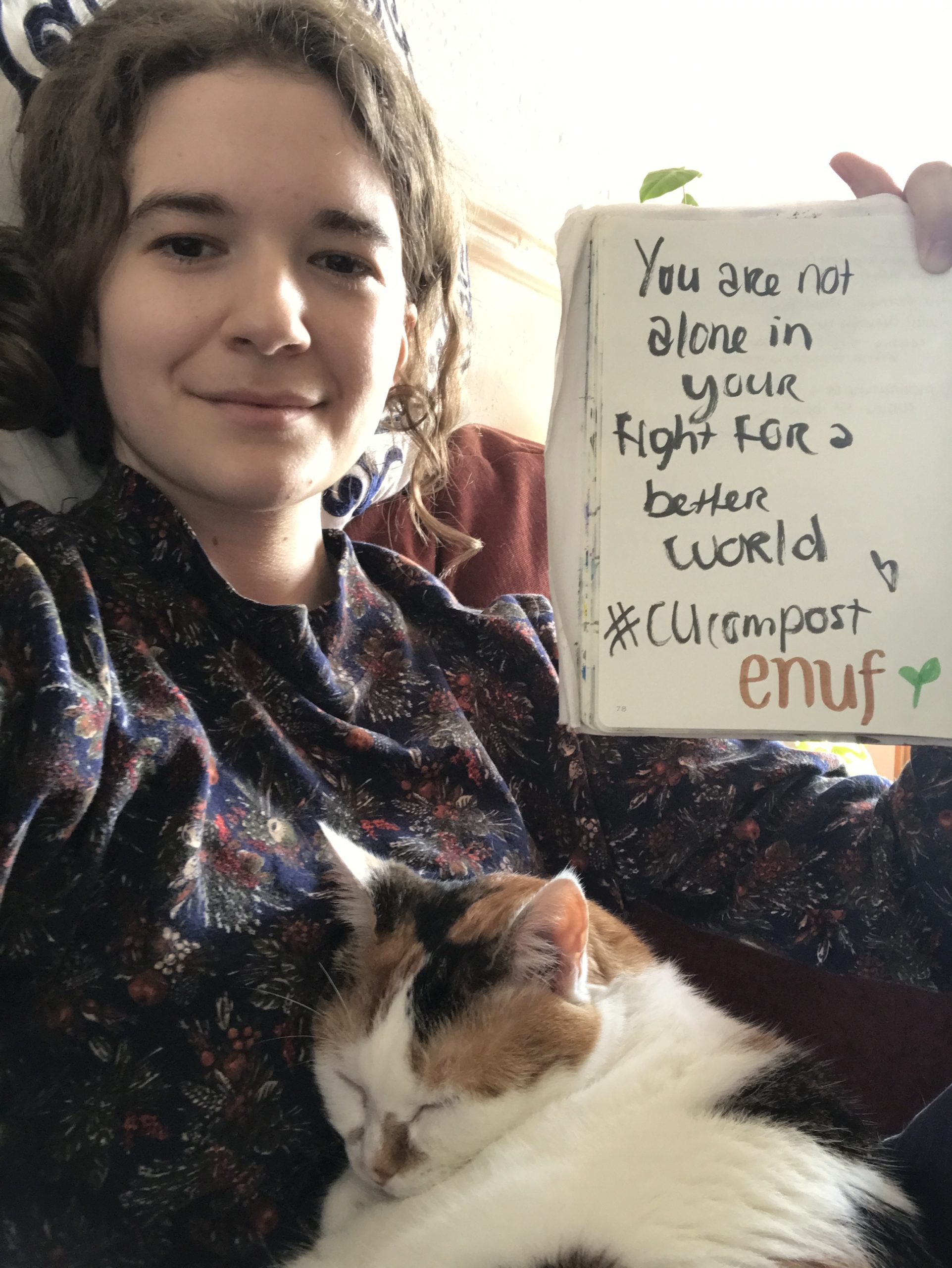
As a child raised in a working-class home, sustainability had not been a priority to our family. Yet, due to our financial circumstances, I was taught early on the value of re-use and self-sufficiency, as well as avoiding food waste. These values spurned on a deeper interest for consciously interacting with the environment and communities around me, especially in a time of important climate injustices. Class struggle and anti-imperialism are important drivers in my mission for sustainability. Through my artistic practice as well as my consumption habits, creativity and community engagement can become vectors for change in order to fight consumerism and to build (and nurture) lasting systems rooted in communal care. “Because, most of all, our tomorrow is the child of our today. Through thought and deed, we exert a great deal of influence over this child, even though we can’t control it absolutely. Best to think about it, though. Best to try to shape it into something good.” -Octavia Butler
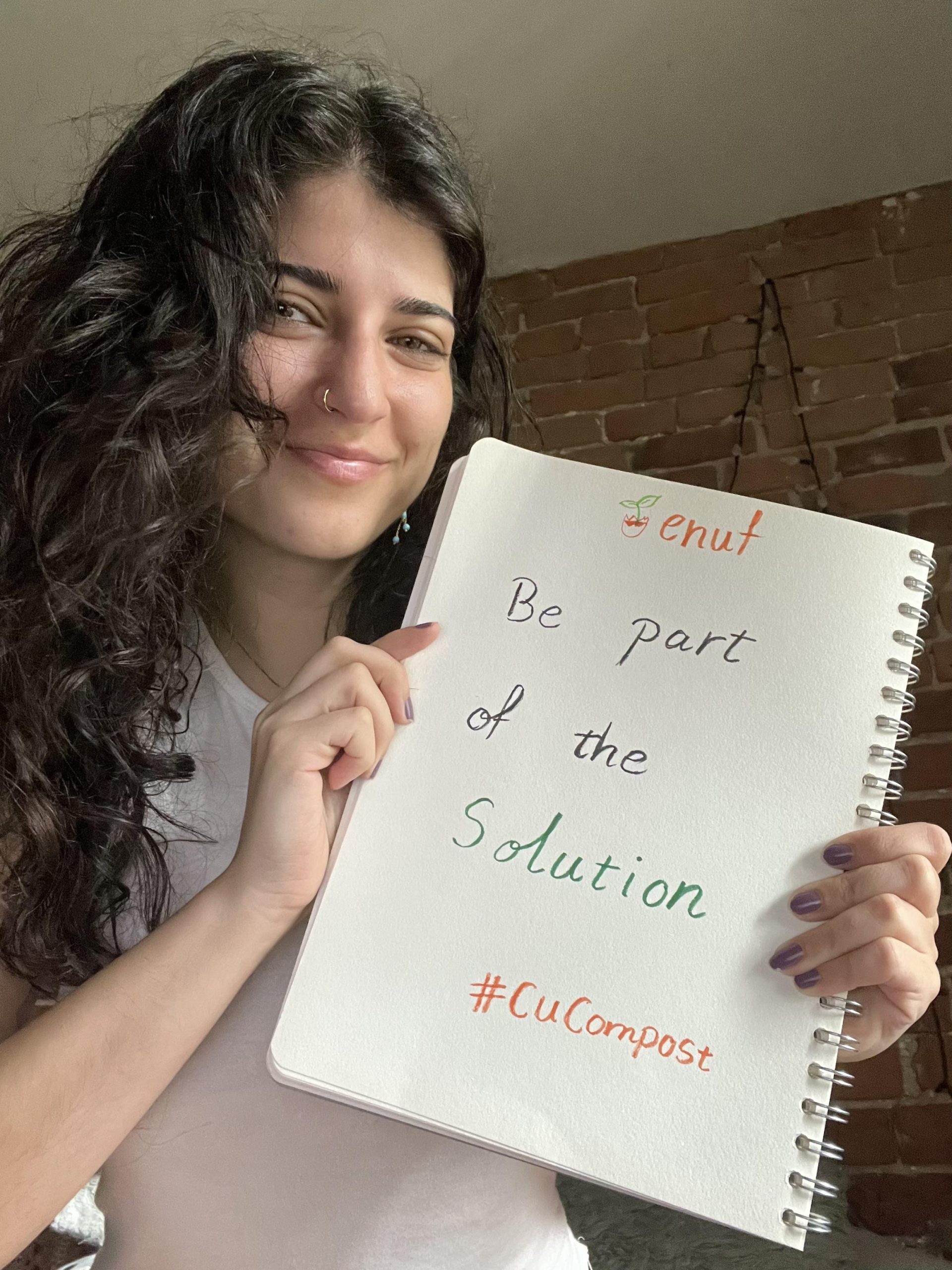 I study Design with a minor in Sustainability Studies. I would like to incorporate sciences in my design projects and my goal as a designer is to contribute to the battle against climate change, to focus on sustainable and biodegradable products, and facilitate the user experience for people with disabilities. In addition, my experience of living in Iran for sixteen years helped me to develop an understanding of social and environmental problems in the Third World countries and I hope to increase the overall quality of life in them by designing better products and technologies. I have coupled my studies with a minor in Sustainability Studies, to be able to learn more and better analyze environmental and ecological issues around the globe
 I’ve always been passionate about reducing waste, and composting is an effective way to do just that. By becoming an enuf waste ambassador, I can help educate others on the benefits of composting and create a more sustainable future.
Plus, being an enuf waste ambassador means I’ll learn a ton of cool stuff about composting techniques, the science of decomposition, and how to communicate
and educate others about waste reduction. I’ll get to feel good knowing I’m making a difference in the world and working with a team of passionate individuals who share my vision for a greener future
I’ve always been passionate about reducing waste, and composting is an effective way to do just that. By becoming an enuf waste ambassador, I can help educate others on the benefits of composting and create a more sustainable future.
Plus, being an enuf waste ambassador means I’ll learn a ton of cool stuff about composting techniques, the science of decomposition, and how to communicate
and educate others about waste reduction. I’ll get to feel good knowing I’m making a difference in the world and working with a team of passionate individuals who share my vision for a greener future
 When I was 12, I went on a field trip to a landfill in my hometown in Brazil. The image and the smell of all that garbage made an impression on me. It was always frustrating for me to see trash scattered around my city, and to know that even if it wasn’t in plain sight, it wouldn’t be in an appropriate place. After I moved to Canada, I learned more about composting and recycling, and I started my personal journey into waste management. Unfortunately, Canada is far from perfect in their waste management. For that reason, I am excited to be a part of enuf so that I can be part of that change.
 Growing up in Iran, waste management and pollution were often left unchecked due to lax regulations which would cause serious health and environmental hazards. Therefore, sustainability and social responsibility became a growing concern for me, and I started making personal choices aimed towards conserving energy, recycling, reducing waste, and supporting sustainable practices and products.
 I’m an Electrical Engineering student at Concordia University who is heavily implicated in student life and student advocacy. Coming from an educational background which focused on logic, I was not exposed much to the study of humanity or the environment. Because of this, I had taken it upon myself to be educated. My love for people and the environment has always been a big part of who I am, which is why I was so excited to get involved with enuf. The waste crisis in Montreal was not something I was very familiar with until I started working at enuf. It’s opened my eyes to how important waste education truly is, and how peer-to-peer intervention can make a lasting impression.
 Growing up, I spent a lot of time studying nature. I would start my own gardens or play in a nearby forest. However, as I read more about nature, it became clear that it was in danger. The way we live our life now will affect the environment and the climate in massive ways.
A question I get a lot from peers is why I care about the waste reduction mission? I think they’re asking the wrong question. The real question to ask is why doesn’t everybody care? Now more than ever, the mission to reduce waste and improve the environment should be on everyone’s radar. That is why I have dedicated myself to improving the environment in any way I can. That way children in the future can enjoy nature the same way I did.
Growing up, I spent a lot of time studying nature. I would start my own gardens or play in a nearby forest. However, as I read more about nature, it became clear that it was in danger. The way we live our life now will affect the environment and the climate in massive ways.
A question I get a lot from peers is why I care about the waste reduction mission? I think they’re asking the wrong question. The real question to ask is why doesn’t everybody care? Now more than ever, the mission to reduce waste and improve the environment should be on everyone’s radar. That is why I have dedicated myself to improving the environment in any way I can. That way children in the future can enjoy nature the same way I did.